

Choosing the best flooring for a Calgary basement is not the same as choosing flooring for the main floor. A basement sits against the ground. It is cooler, it can pick up moisture from the slab, and it takes the brunt of every spill, wet boot and playful kid. A floor that looks stunning upstairs can warp, bubble or grow mould down there if it is the wrong product or installed the wrong way.
This guide walks through the flooring options that tend to work well below grade in Calgary, what each one does well, where each one can go wrong and how to test and prepare your slab before you buy anything. We are not selling a particular brand. We are explaining how to match the floor to the room and the conditions. If you are still planning the whole project, our overview of basement development in Calgary shows how flooring fits into the bigger picture.
Why basements are tough on floors
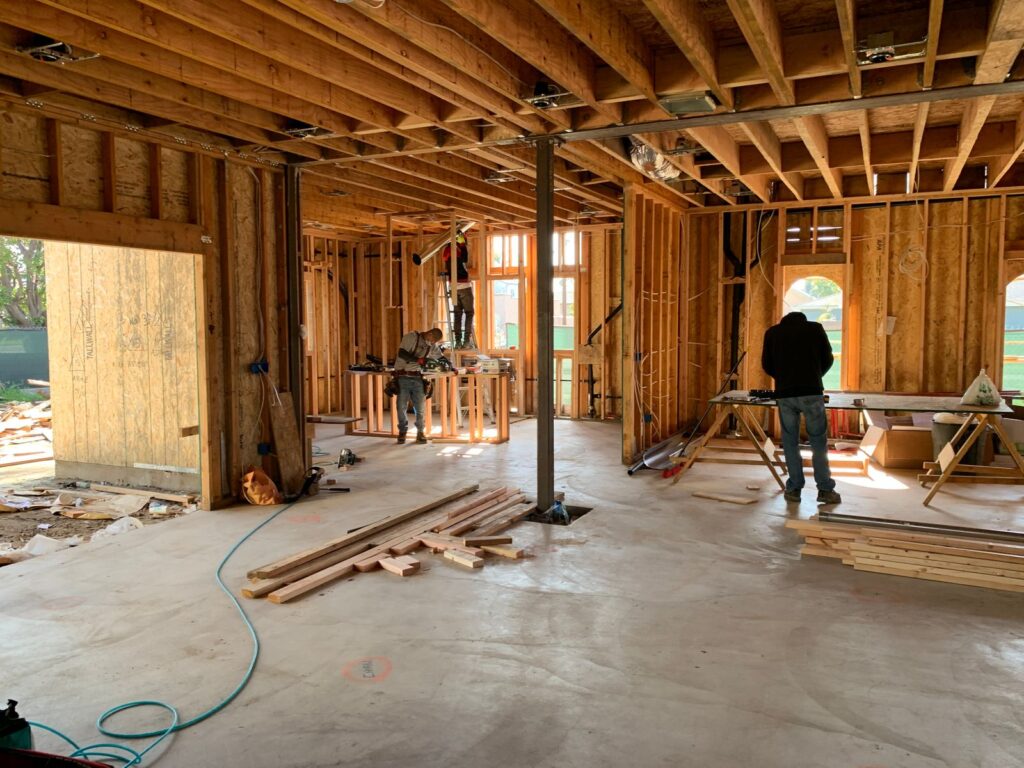
Understanding the environment makes every decision easier. Four things set basements apart.
- **Moisture.** Concrete is porous, and moisture can move up through it as vapour even when the slab looks dry. In some houses, water can also enter through cracks or at the wall and floor joint during wet periods or spring melt.
- **Temperature.** Slabs are cooler than a main floor, which affects comfort and the way some materials behave.
- **Flatness.** Basement slabs are rarely perfectly level, and small dips or humps show through thin flooring.
- **Spills and flooding risk.** Laundry, bathrooms, sump pits and mechanical equipment mean water events are more likely.
A good flooring plan takes all four into account. It starts with testing, then moves to product selection and installation details.
Step one: check the slab before you choose anything
It is tempting to pick a floor you love and then deal with the slab. Do it in the opposite order. A flooring contractor or your general contractor can use one or more methods to understand moisture conditions.
- **A simple plastic sheet test.** A piece of plastic is taped to the slab for a day or two. Condensation underneath suggests moisture is moving through the concrete. It is basic, but it is an easy first look.
- **Moisture meters.** Handheld meters give a quick reading, though they are not the final word.
- **In-slab relative humidity probes.** These are more precise and are used by many flooring professionals, because many manufacturers specify acceptable moisture levels for their products.
- **Visual clues.** White powdery deposits, stains, a musty smell, or peeling paint on foundation walls point to moisture problems that need attention.
If the readings are high, fix the cause first. That could mean improving exterior grading, repairing downspouts, sealing cracks, adding a sump system or choosing a flooring assembly designed for damp slabs. Covering a moisture problem with a pretty floor only hides it for a while.
Luxury vinyl plank and tile
Luxury vinyl plank, often shortened to LVP, is the most popular choice for finished basements, and for good reason. It is water resistant, comes in realistic wood and stone looks, feels comfortable underfoot and handles the occasional spill without drama.
**Strengths.** Many LVP products are waterproof or highly water resistant. They are easy to maintain, relatively quick to install and available in a wide range of styles. Rigid-core versions are more stable and hide small slab imperfections better than thin, flexible types.
**Watch outs.** Quality varies widely. Look for a thicker wear layer and read the manufacturer’s installation guide, which often specifies slab flatness and moisture limits. Some products need a vapour barrier or specific underlayment. The surface can show indentation from heavy furniture, and extreme temperature swings may cause expansion and contraction, so leave the recommended gaps.
For many families, LVP hits the sweet spot between price, durability and looks.
Porcelain and ceramic tile
Tile is extremely durable and handles water well, which makes it a strong choice for bathrooms, laundry rooms, entryways and wet bars.
**Strengths.** It does not swell, warp or mould, and it can look high end. Porcelain is dense and performs well in damp conditions.
**Watch outs.** Tile feels cold on a basement slab, which is a real comfort issue in a Calgary winter. Many people pair it with in-floor heating, particularly in bathrooms. It also needs a flat, stable surface, and installation costs more because of the preparation, setting materials, grout and labour. Hard surfaces can also echo, so use rugs in living areas.
Engineered hardwood
Engineered hardwood has a real wood surface over a layered core, which makes it more stable than solid wood. Some owners want it in a basement for the warmth and look of wood.
**Strengths.** Real wood top layer, warm feel and the option to refinish some products.
**Watch outs.** It is more sensitive to moisture than vinyl or tile. Many manufacturers have strict rules for below-grade installations, and some prohibit it or require moisture barriers and specific slab readings. Humidity swings can also cause cupping or gapping. If you love the look of wood, a high-quality wood-look LVP may suit a basement better, and engineered wood is generally better saved for upstairs.
Solid hardwood is not recommended below grade, because it reacts strongly to moisture changes.
Laminate
Laminate has improved a lot, and many products now offer better moisture resistance than the older types. It can be a budget-friendly option with convincing looks.
**Strengths.** Affordable, durable surface and easy installation.
**Watch outs.** The core can swell if water gets in, so it is a risk in places where flooding or frequent spills are likely. Look for products with a water-resistant core and read the warranty carefully for below-grade use.
Carpet and carpet tile
Carpet is still popular in basements, especially in family rooms and bedrooms, because it is warm, quiet and soft. It makes a big difference in comfort over a cold slab.
**Strengths.** Warmth, sound absorption and comfort for kids and pets.
**Watch outs.** Carpet traps moisture and odours if the slab is damp, and it is hard to dry after a water event. Choose a good underlay, and consider a moisture-resistant system under it. Carpet tiles are a smart variation, because you can replace a damaged square without redoing the room.
Subfloor systems and moisture barriers
A subfloor panel system adds a layer between the slab and the finished floor. Dimpled membranes or raised panels create a small air gap, which can help with moisture and warmth. These systems add a little height, so check your ceiling clearance before using them.
Moisture barriers, underlayments and sealers each have a specific use. Which one fits depends on the flooring product and your slab readings, so follow the manufacturer’s requirements. Skipping a required barrier can void a warranty and lead to failures.
Epoxy, sealed concrete and rubber
For gyms, workshops and utility rooms, a sealed or epoxy-coated slab is practical. It is durable and easy to clean. Rubber flooring is a common choice for home gyms because it absorbs impact and protects the slab. These options are straightforward, but the slab needs good preparation, and a coating needs to suit your moisture conditions.
Flooring by room
- **Family room and media room:** LVP or carpet with a quality underlay and rugs.
- **Bedrooms:** carpet for comfort, or LVP with area rugs.
- **Bathrooms:** porcelain tile, often with in-floor heat, or a high-quality waterproof vinyl.
- **Laundry and mechanical areas:** tile, sealed concrete or sheet vinyl.
- **Wet bar:** tile or LVP.
- **Gym:** rubber flooring.
- **Stairs:** match the main flooring or choose a durable stair-specific product.
Floor heating and comfort
A cold slab is one of the biggest complaints about basements. In-floor electric heating cables or mats can be installed under tile or some other floors to make a big difference in comfort. Insulated subfloor panels also help. If comfort is a priority, discuss it with your contractor early so it can be coordinated with electrical and floor height.
Our post on energy-efficient renovation upgrades for Calgary homes explains how insulation and air sealing contribute to warmer basements too.
Installation matters as much as the product
Even the best flooring fails when it is installed badly. Pay attention to these points.
- **Flatness.** The slab may need grinding or levelling compound to meet the manufacturer’s tolerance.
- **Acclimation.** Many products need to sit in the room for a period before installation.
- **Expansion gaps.** Floating floors need room to move at the edges.
- **Transitions and thresholds.** Make sure floor heights match at doorways and stairs.
- **Moisture and vapour control.** Follow the manufacturer’s instructions exactly.
When you compare contractor quotes, check whether slab preparation, underlayment, trim and transitions are included.
Flooring and your budget
Flooring costs vary widely, and the price of the material is only one part. Preparation, underlayment, labour, trim and stairs all count. We cover how choices like this shape the full picture in what affects basement development cost in Calgary. Think about which rooms deserve the best product, and where a durable middle option is plenty.
Avoid common mistakes
Our post on basement renovation mistakes to avoid lists the most common problems, and flooring failures from moisture are near the top. A few quick rules help.
- Do not install flooring over a damp slab without addressing the cause.
- Do not choose a product without reading the below-grade requirements.
- Do not skip underlayment or barriers that the manufacturer calls for.
- Do not assume a waterproof surface means a waterproof assembly, because water can still get under the planks.
What to do next
If you are planning a basement, talk to us before you buy flooring. We can test conditions, explain what suits your layout and make sure the floor choice fits the rest of the project. See our basement development services and get in touch for a walkthrough.
Care and maintenance once the floor is down
A good floor lasts longer when it is looked after, and basements need a few extra habits.
- **Keep the humidity in check.** A basement that stays between comfortable humidity levels protects flooring, furniture and the air you breathe. A simple hygrometer shows you where you stand, and a dehumidifier helps in damp seasons.
- **Wipe up spills quickly.** Even water-resistant floors do best when water does not sit on them or work its way into seams.
- **Use mats at entries.** Salt, sand and slush from a Calgary winter are hard on any surface. A good mat near the basement door and the stairs saves the finish.
- **Protect from furniture.** Felt pads under legs prevent scratches and dents.
- **Follow the cleaning instructions.** Harsh or steam-based cleaning can harm some products, and it can void a warranty.
- **Watch the edges.** Check around the sump, laundry, water heater and bathroom for signs of dampness, and deal with leaks right away.
What to ask your flooring installer
Before work begins, ask a few direct questions and listen for specific answers.
- Have you installed this product below grade, and what does the manufacturer require?
- How will you test and prepare the slab?
- Is a vapour barrier or underlayment part of the plan, and who supplies it?
- How will the floor be transitioned at stairs, doors and mismatched heights?
- What does the workmanship warranty cover, and what does the product warranty cover?
- What will you do if moisture problems appear after installation?
A professional will welcome these questions. If you get vague answers, that is a good moment to get a second opinion before the material is ordered.
A note on resale
Flooring is one of the first things buyers notice in a finished basement. Clean, consistent, durable flooring signals that the space was done properly, and it makes the room feel bigger. Mismatched floors, visible moisture stains or cheap planks that have already started to lift raise questions about the rest of the work. Choosing a durable product and installing it well is one of the more effective ways to protect the value of your basement investment.
Frequently asked questions
What is the best flooring for a basement in Calgary?
Luxury vinyl plank is a popular all-round choice because it handles moisture well and looks good. Tile suits bathrooms and wet areas, and carpet adds warmth in bedrooms and family rooms.
Can I put hardwood in a basement?
Solid hardwood is not recommended below grade. Engineered hardwood is more stable but is still sensitive to moisture, so follow the manufacturer rules or choose a wood-look vinyl instead.
Do I need a moisture test before installing basement flooring?
Yes. Testing the slab shows whether moisture is moving through the concrete, and many manufacturers require specific readings for warranties. Fix any moisture cause before covering the slab.
How can I make a basement floor feel warmer?
Options include in-floor electric heating, insulated subfloor panels, carpet with a good underlay and area rugs. Plan these early so they can be coordinated with electrical work and floor height.
Is waterproof flooring enough to protect a basement?
Not by itself. A waterproof surface can still let water collect underneath. The full assembly, slab condition, drainage and installation all matter.
Talk to Bond Contracting about your project
If you are weighing up a project in Calgary and want a straight conversation about scope, timing and what a fair plan looks like, Request a quote through our form or call us at (403) 271-3501. We will come to the house, look at the space and tell you what we see.