

Hiring a contractor is the most important decision in any renovation. The best design in the world will not save a project run by someone who does not return calls, cuts corners behind the walls or disappears halfway through. Yet most homeowners walk into that first meeting without a list of questions, and they end up choosing on gut feeling and a number at the bottom of a page.
This checklist gives you ten questions to ask a general contractor before you hire anyone in Calgary. We have written it from the contractor’s side of the table, so you will see what a good answer sounds like and where a weak answer gives itself away. Print it, bring it to every meeting, and use the same questions with every company so the comparison is fair.
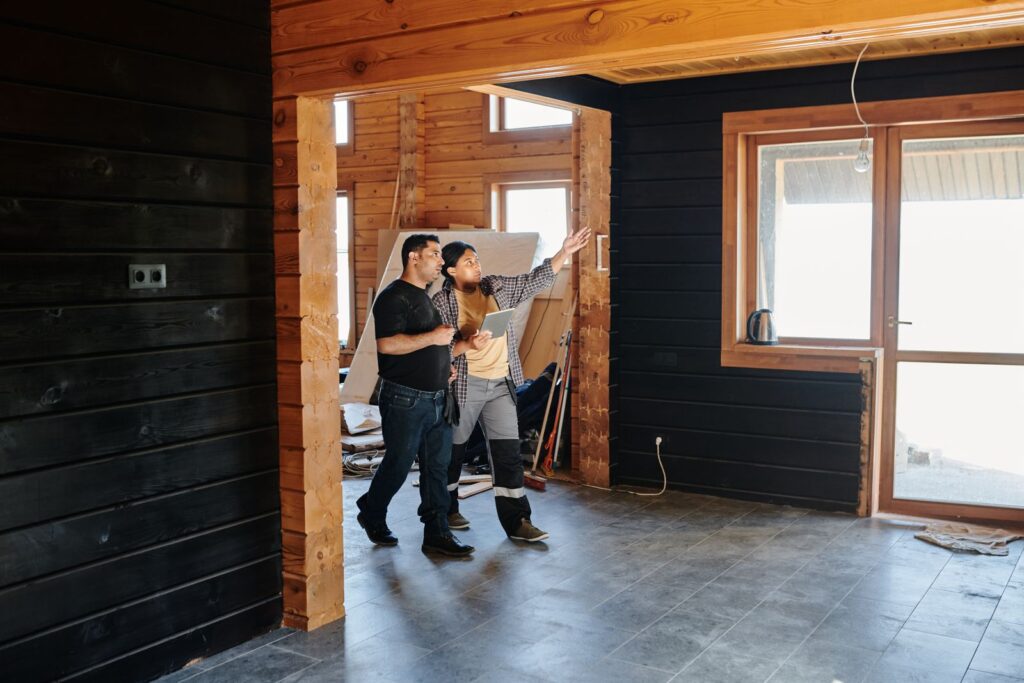
Before you start: what a general contractor actually does
A general contractor takes responsibility for the whole project. They plan the sequence, hire and schedule the trades, order materials, handle permits, keep the site safe and answer to you when something goes wrong. If you want a fuller picture, read why hiring a general contractor in Calgary matters and take a look at our page on general contractor services in Calgary.
With that in mind, the questions below focus on three things: whether the contractor is legitimate, whether they run a tidy job, and whether you will feel comfortable working with them for weeks or months.
1. Can you show me recent projects like mine?
Start with experience that matches your job. A contractor who builds beautiful decks may not be the right fit for a kitchen with a structural wall. Ask for photos of similar projects, and ask what was challenging about them.
A strong answer includes specifics: what the house was like, what surprised them and how they handled it. Be cautious if all you get are generic photos with no story behind them. You want someone who can explain decisions, not just show finished rooms.
2. Can I talk to past clients?
References are standard. A good contractor will have a few people willing to speak with you, ideally from jobs of similar size. When you call, ask about communication, schedule, cleanliness, how problems were handled and whether they would hire the company again.
Pay attention to how past clients describe the hard moments. Every renovation has some. What matters is how the contractor responded. If someone says “they fixed it without a fuss,” that is worth more than a perfect score.
3. Are you properly insured and covered for workplace injuries?
Ask for proof of liability insurance and, where the company has workers, coverage for workplace injuries through Alberta’s workers’ compensation system. Do not rely on a verbal “yes”. Ask for a certificate, and consider asking your own insurer how renovations affect your policy.
This matters because an accident on your property can become your problem if the contractor is not covered. A reputable company will hand over documents without hesitation, and will not be offended that you asked.
4. Who will do the work, and who will be on site?
Many contractors use subcontractors for specialized work like electrical, plumbing and gas. That is normal and often better, because licensed specialists do those jobs. What you want to know is who is responsible on site day to day and how the trades are coordinated.
Ask:
- Who is my main point of contact?
- Will that person be on site, or visiting?
- Are electrical, plumbing and gas done by certified tradespeople?
- If a trade runs late, who solves the scheduling problem?
Clear answers show a contractor who has built a team they trust. Vague answers often mean the project will rely on whoever is available that week.
5. How do you handle permits and inspections?
For most substantial projects, permits are part of the job, and the contractor is usually the one managing them. Ask which permits your project needs, who applies for them and whether the cost is in the quote. You can also ask to see copies and inspection results.
Our guide on permits for a basement development shows what that process looks like in practice, and the same principles apply to kitchens, bathrooms and additions. Be wary of anyone who suggests skipping permits to save money. That decision is yours to regret later, not theirs.
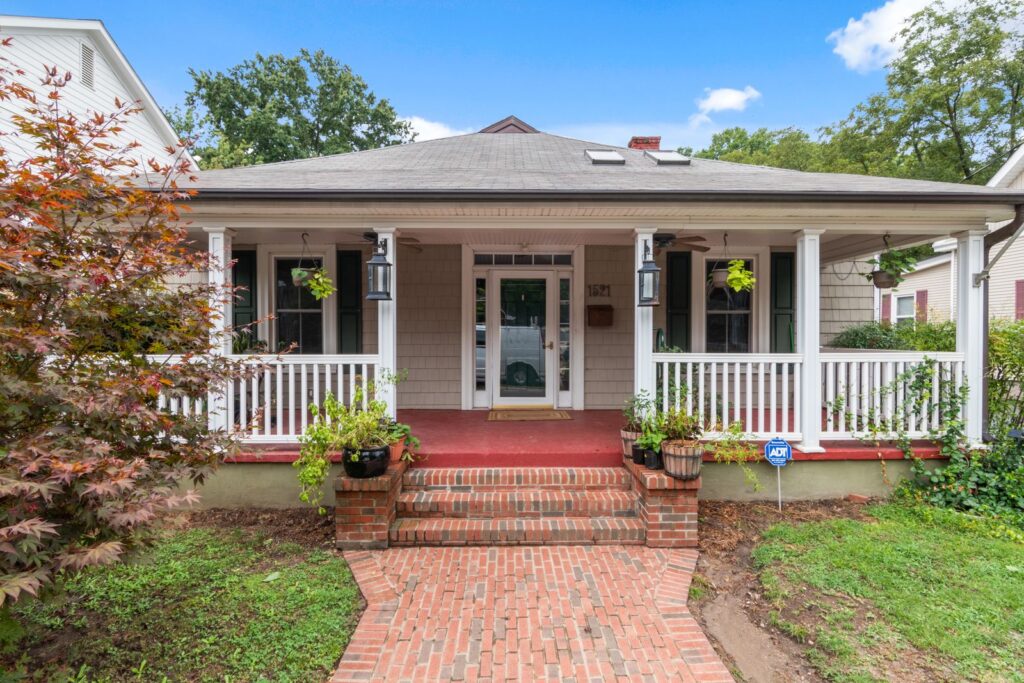
6. What exactly is included in your quote?
A useful quote is a document, not a number. It should list what is included, what is excluded, which materials are specified and which items are allowances. Ask how allowances work and what happens if you choose something above or below them.
Compare quotes line by line. If one contractor includes painting, trim and cleanup and another does not, the totals are not comparable. If you want a deeper look at how to build a realistic budget, see our guide on setting a renovation budget.
7. How do changes and surprises get handled?
Every renovation has changes. You may decide on a different tile. The wall may reveal old wiring. What matters is the process for handling them.
A good answer sounds like this: the change is described in writing, priced before the work happens, and approved by you. A risky answer sounds like “we will sort it out later.” Written change orders protect both sides and keep the final invoice from turning into a surprise.
8. What is the schedule, and what can delay it?
Ask for a rough start date, a rough end date and the biggest things that could change both. Material lead times, permit review, inspections and trade availability all play a role. A contractor who says “no delays, guaranteed” is not being honest.
Better answers acknowledge what is out of anyone’s control and explain how they communicate when things shift. If you want to see how scheduling works on one type of project, read our post on how long a kitchen renovation takes.
9. How will we communicate, and how do payments work?
Find out how you will hear from the contractor: calls, texts, weekly meetings, a shared document? Ask how often you can expect updates and who answers when you have a question at 7 pm.
On payments, a reasonable schedule ties payments to progress, not to the calendar. A very large deposit before any work or materials have been ordered is a warning sign. Ask for the schedule in writing, and make sure it matches the stages in the quote.
10. What happens when something goes wrong?
This is the question that separates good contractors from mediocre ones. No one is perfect. Ask how they handle mistakes, damaged property and warranty issues after the job is done.
Ask what their workmanship warranty covers and for how long, and get it in writing. Also ask how a callback works: who do you contact and how quickly will someone respond? A contractor who stands behind their work will be specific about it.
Red flags worth taking seriously
Beyond the ten questions, watch for patterns. These are the ones that tend to lead to trouble.
- Pressure to sign today, or a “special price” that disappears tomorrow.
- A quote that is much lower than everyone else’s with no explanation.
- No written contract, or a contract that is vague about scope.
- Reluctance to share insurance, references or past work.
- A suggestion to avoid permits.
- Difficulty reaching them during the quoting stage, which usually gets worse once you are a client.
None of these alone proves a problem, but two or three together are a signal to keep looking.
How to compare your final candidates
Once the quotes are in, make a simple table. Down the left side, list the questions above. Across the top, list each contractor. Fill in what you learned. You will see patterns quickly, and you may notice that the cheapest bid is not the cheapest project.
Then think about how you felt in each conversation. Did they listen? Did they explain things without making you feel small? Were they honest about what is hard? A renovation puts a crew in your home for weeks. Comfort and trust matter almost as much as skill.
If you are still choosing a contractor for a particular room, our post on how to choose the right contractor for a bathroom remodel adds a few room-specific checks.
Questions you should also expect from a good contractor
The conversation should go both ways. A thoughtful contractor will ask you questions too: what you want the space to do, what your timeline is, what your budget range is, how you feel about living through construction, and which decisions you want to be involved in. If someone quotes your project without asking any of that, they may be pricing a generic job instead of yours.
Ready to talk?
If you want to put these questions to us, we welcome it. Visit our page on general contractor services in Calgary, then reach out for a walkthrough, and we will answer every question on this list in person and in writing.
A quick script for your first phone call
Many homeowners freeze on the first call because they are not sure what to say. Here is a simple structure that gets you useful answers in ten minutes.
First, describe the project in two or three sentences: the room or rooms, what you want changed and the rough timing you have in mind. Second, ask whether they take on projects of that size and type, and whether they are booking for your window. Third, ask how they price: do they quote after a visit, and is there a charge for the estimate? Finally, ask when they could visit and who would come.
Notice how the person on the phone behaves. Do they listen? Do they ask smart follow-up questions? Do they give you a clear next step? The way a company handles a first call is often the way it will handle the rest of the project.
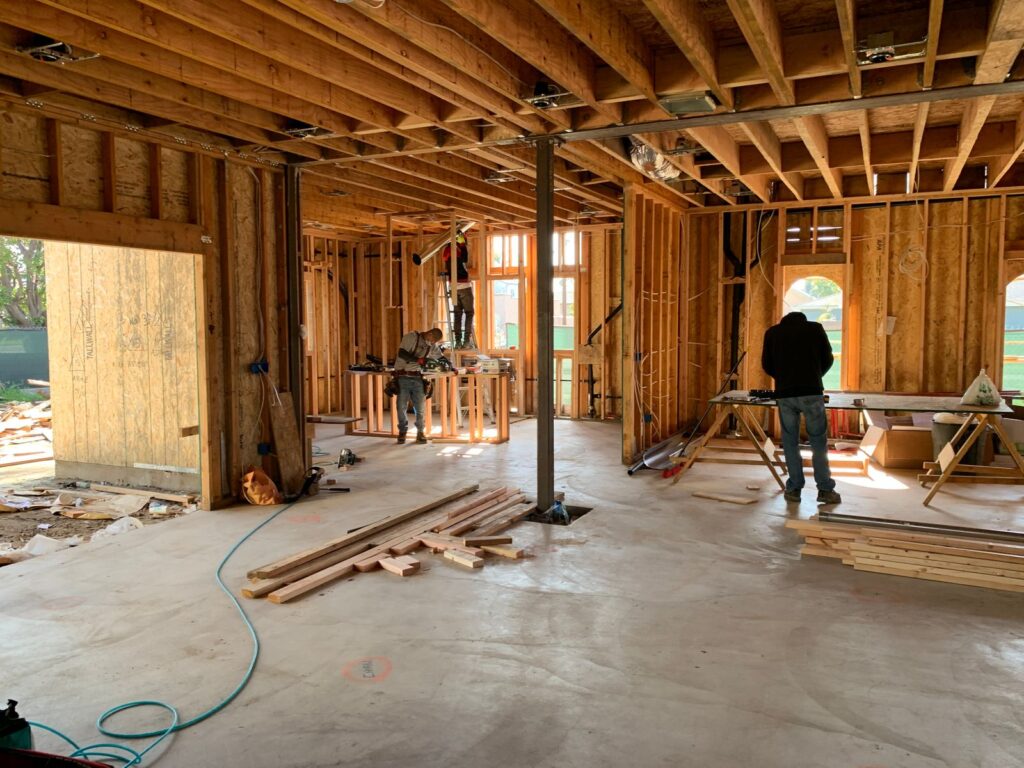
What to do on the day of the site visit
When the contractor comes to the house, be there and be ready. Walk them through the space and talk about what you like and dislike about it. Show them anything that worries you: a stained ceiling, a sticking door, a cold room. It is far better for them to see these things before the quote than after the work starts.
Take notes during the visit, and ask when you can expect the written quote. A realistic timeline is a good sign. A contractor who promises a number on the spot, without measuring or looking closely, is guessing.
After the visit, send a short thank you and confirm what you discussed in writing. It creates a record, and it gives both sides a chance to correct any misunderstanding before the quote is built.
Keep a simple file from day one
Once you hire someone, keep everything in one folder: the quote, the contract, permits, change orders, receipts for materials you purchased, warranty documents and photos taken at different stages. Photos of walls before they are closed up are especially valuable, because they show where pipes and wires run. If you ever need a repair, or sell the house, that folder becomes very useful.
Frequently asked questions
How many quotes should I get for a renovation in Calgary?
Three is a good number for most projects. It gives you a sense of the range without overwhelming you. Make sure each contractor is pricing the same scope so the quotes can be compared fairly.
Should I pay a deposit before work starts?
A modest deposit to secure a start date and order materials is common. Be cautious about large upfront payments, and make sure the payment schedule is in writing and tied to project progress.
What insurance should a contractor carry?
Ask for proof of liability insurance and, if they have workers, coverage through Alberta workers compensation. Request certificates instead of relying on a verbal answer.
Is the lowest quote the best choice?
Not necessarily. A much lower bid may leave out permits, finishes or cleanup, or assume allowances that are too small. Compare scope and inclusions line by line before choosing on price.
What should be in a renovation contract?
A written scope of work, materials and allowances, price and payment schedule, estimated timeline, change order process, permit responsibilities and warranty terms should all be in the contract.
Talk to Bond Contracting about your project
If you are weighing up a project in Calgary and want a straight conversation about scope, timing and what a fair plan looks like, Request a quote through our form or call us at (403) 271-3501. We will come to the house, look at the space and tell you what we see.